
Why R290 Is Quietly Redefining Heat Pump Performance

Introduction
The conversation around refrigerants is changing fast.
What’s inside a heat pump now plays a huge role in how efficiently it runs and how future-proof it is.
Most heat pumps on the Irish market still use R32, a synthetic refrigerant with a Global Warming Potential (GWP) of 675. By comparison, R290, also known as propane, has a GWP of just 3, which is more than two hundred times lower.
Apart from the obvious environmental benefits, this difference has massive implications. From 2027, EU F-Gas regulations will begin to phase out high-GWP refrigerants like R32 in new systems. So many of the models being installed today will all too soon fall behind the regulation requirements.
That is why at Platmech, we see R290 as an inevitable advancement in heat pump technology delivering superior performance, lower impact, and long-term compliance.
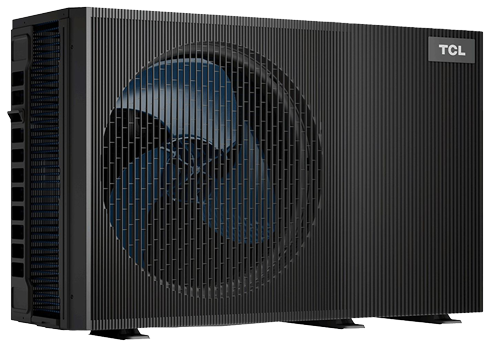
R290 systems are setting a new benchmark for efficiency. TCL’s latest range achieves SCOP values above 5.0. To put that in context, many standard R32 heat pumps in Ireland deliver SCOP values closer to 4.0. That extra efficiency might not sound dramatic, but over a full heating season it adds up to sizeable lower running costs and reduced energy use, especially across larger developments.
R290 systems can also reach leaving water temperatures of up to 80°C without losing efficiency. This makes them suitable for both underfloor and traditional radiator systems.
Looking Ahead
Across Europe, the shift to natural refrigerants like R290 is already accelerating. At Platmech, we’re proud to be leading that transition here in Ireland. With over three decades of experience in the Irish HVAC industry, and the backing of TCL’s global scale and proven heat pump technology, we’re setting a new, elevated benchmark for sustainable performance.

Subscribe to Our Newsletter
Stay Updated with the Latest Industry News and Insights